


Ronen Siman Tov, Two Rescuers, 2018, oil on board. Photo: Michael Amar
The Dread of Isaac
Curator: Avital Wexler
6 Jun — 8 August, 2026
Pit, mountain, house, grave, sackcloth and ashes. The works in the exhibition juxtapose beginning and end. Many of them feature a rectangle as a fundamental structural unit, recurring and shifting in meaning. At times it is a house and a mountain, at others—a ground plan of Jerusalem or the Shuja’iyya refugee camp, an aid truck on a road in the Gaza Strip, or a caravan in an illegal outpost. The empty space in the rectangle echoes both a grave pit and a water cistern, that converge in Joseph’s empty pit, which, even when dry, contains fear and plight.
The aerial view, from which the landscapes are seen, brings the divine, the military, the architectural, and the archaeological together into a multidimensional force, documenting destruction. The exhibition as a whole seems to be viewed through the dim eyes of Isaac, who, according to the Midrash, was blinded by the tears of angels on the altar of the Binding, or perhaps by the fear of death. That fear, when not lurking in the corner of the room, in the shadows or in the black water, becomes an integral part of the house, merging with the furniture and the walls, moving through the rows of books, lightly gliding along the stone wall, dancing upside down, shining like a star and a moon in the darkness, as if it were laughter.
At the core of the images and works, Jerusalem unfolds in all its layers: the real, the promised, and the nightmarish. The ashes of fires, surrounding its mountain, are absorbed as color and matter into the sacks that the artist found in the city’s markets, once used for legumes and rice, and now they resume their biblical role as apocalyptic garments of mourning.
Ronen Siman Tov’s world is not ennobled by some higher light, which gradually materializes, descending from on high, but rather rises upward in tectonic fractures from the darkness of the abyssal waters, from the pressure in the bowels of both earth and man, until it erupts, ignites, and evaporates in transparent layers. In this body of work lies a hidden promise of a broken yet sincere redemption, alchemical, political and religious, whereby fragments of wood and stone become amulets, a grave transforms into a water reservoir, sackcloth and ashes serve as vessels for mending and rectification (tikkun).
Avital Wexler
Events in the exhibition:
Tuesday 9.6.26, at 5pm | Gallery talk with the artist Ronen Siman-Tov and the curator Avital Wexler
Tuesday 28.7.26, at 5pm | Gallery talk with the artist Ronen Siman-Tov and the curator Avital Wexler
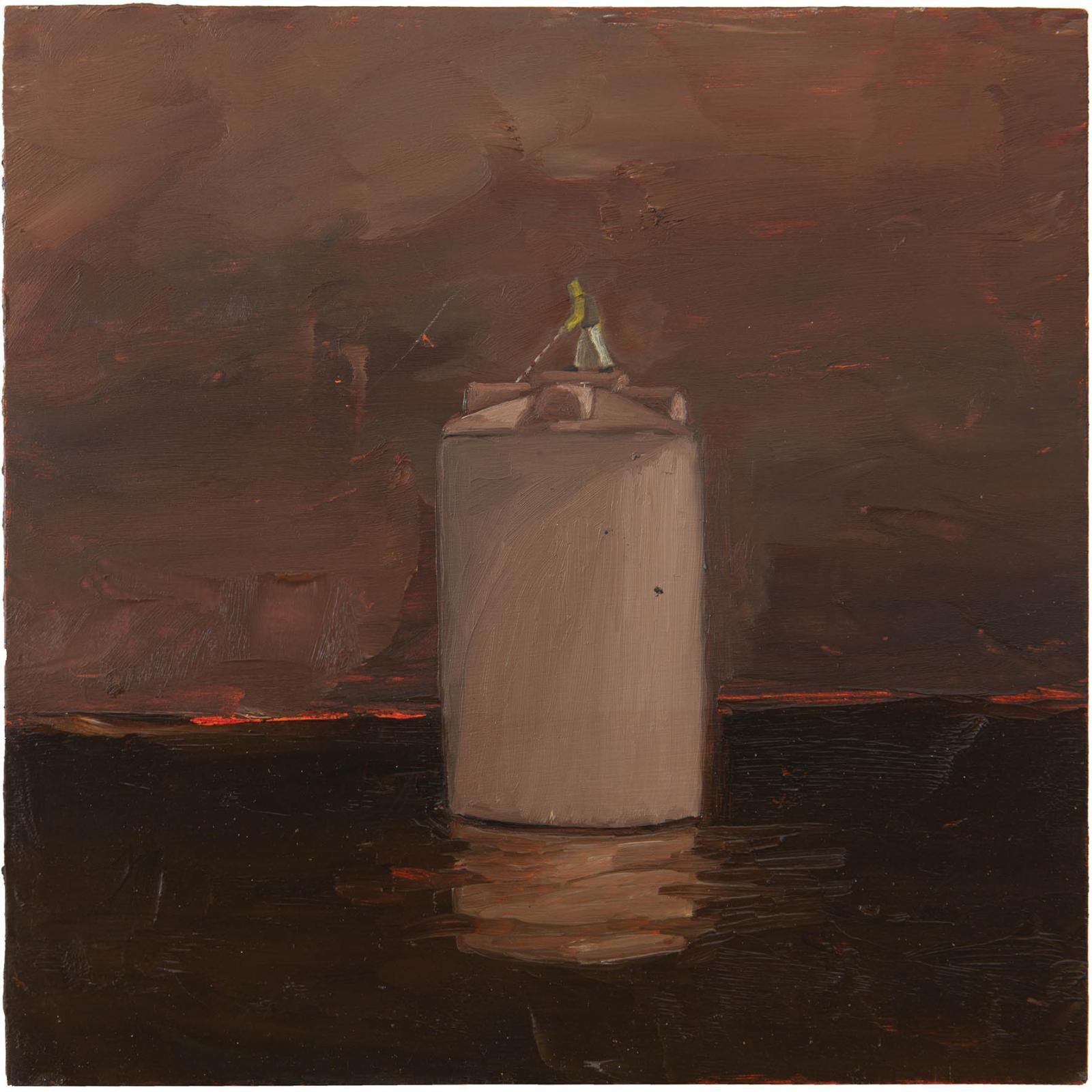
The Dread of Isaac, Ronen Siman Tov, A Tower in the Water, 2018, oil on board. photo: Michael Amar
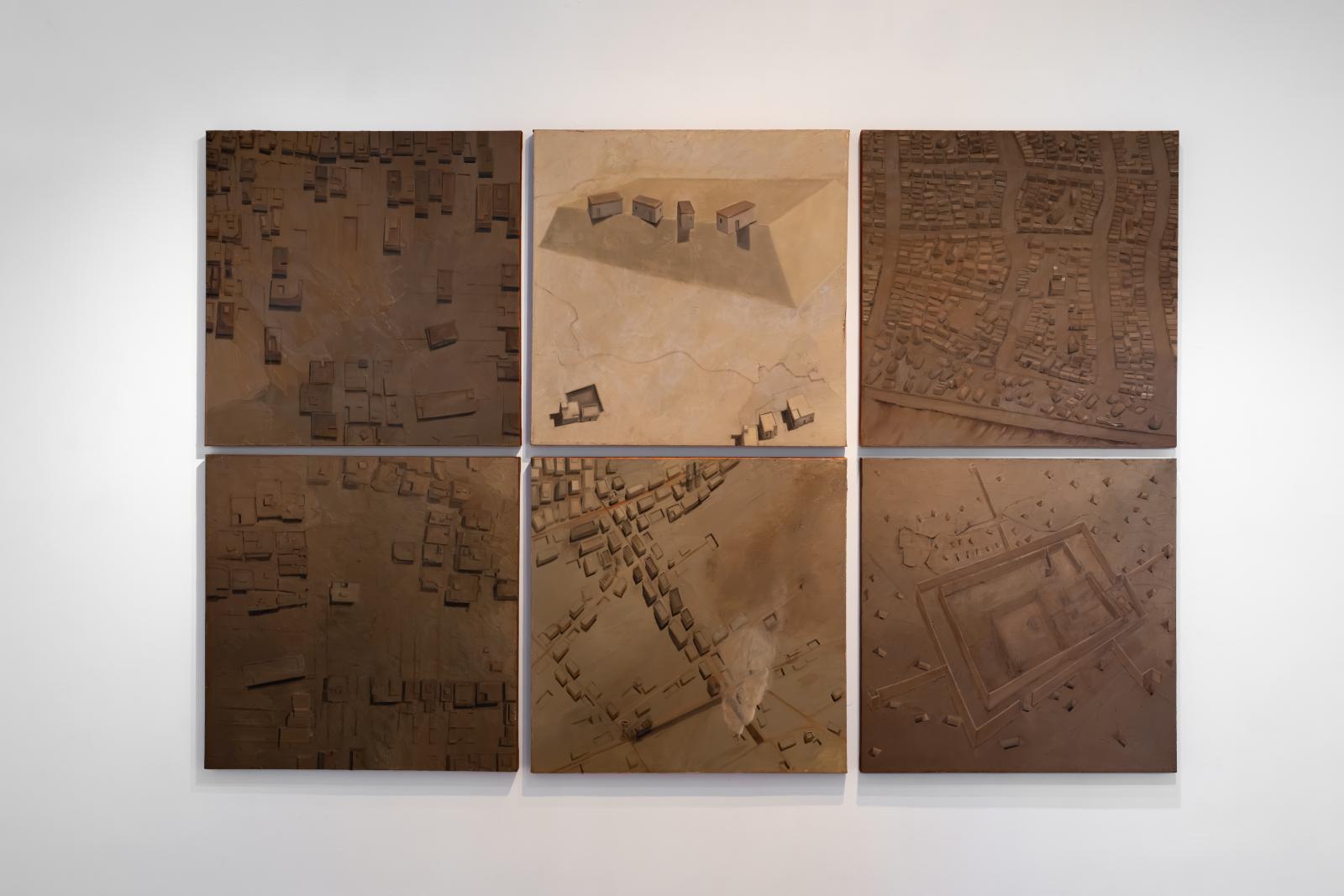
The Dread of Isaac, Ronen Siman-Tov, Installation view. Photo: Daniel Hanoch
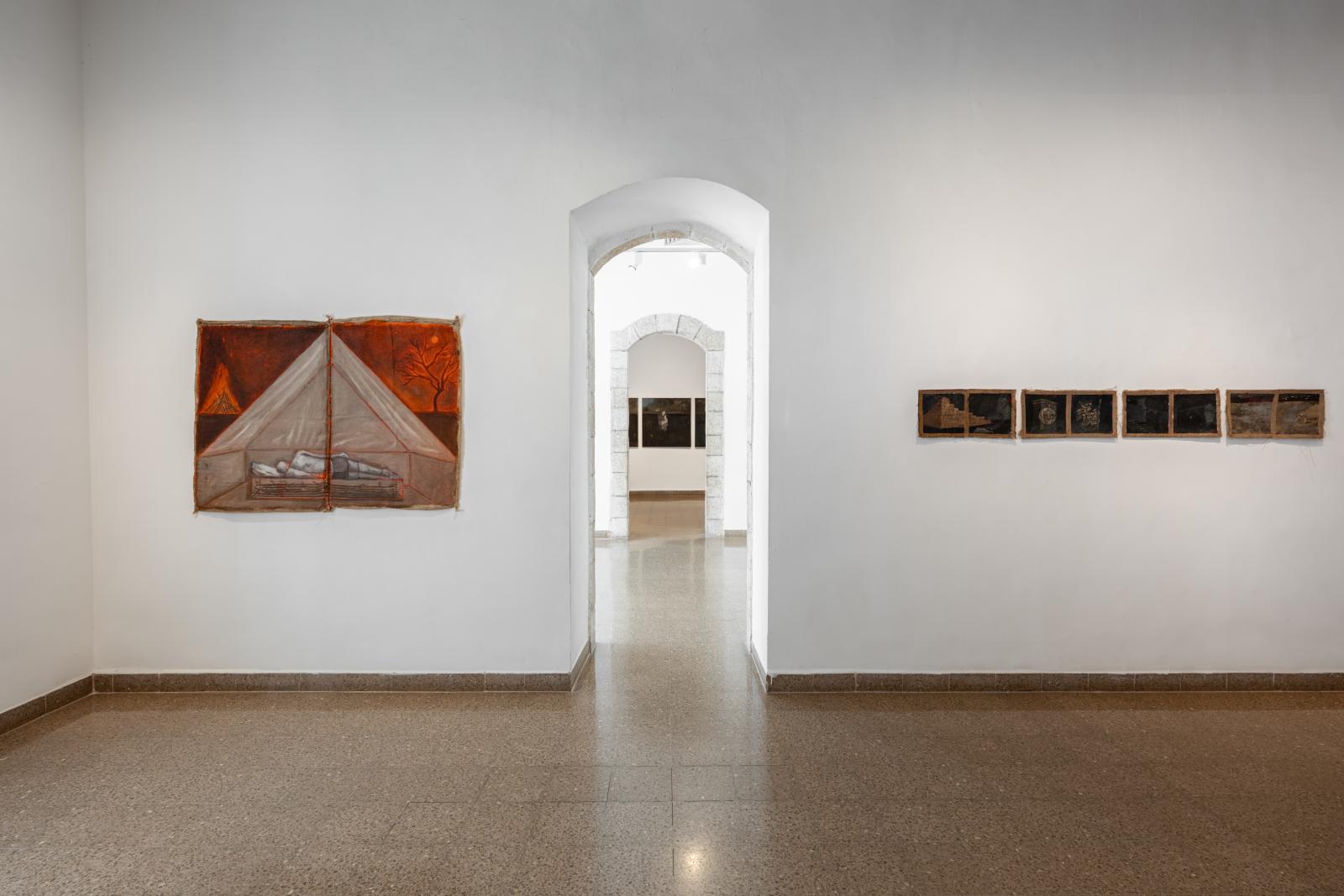
The Dread of Isaac, Ronen Siman-Tov, Installation view. Photo: Daniel Hanoch
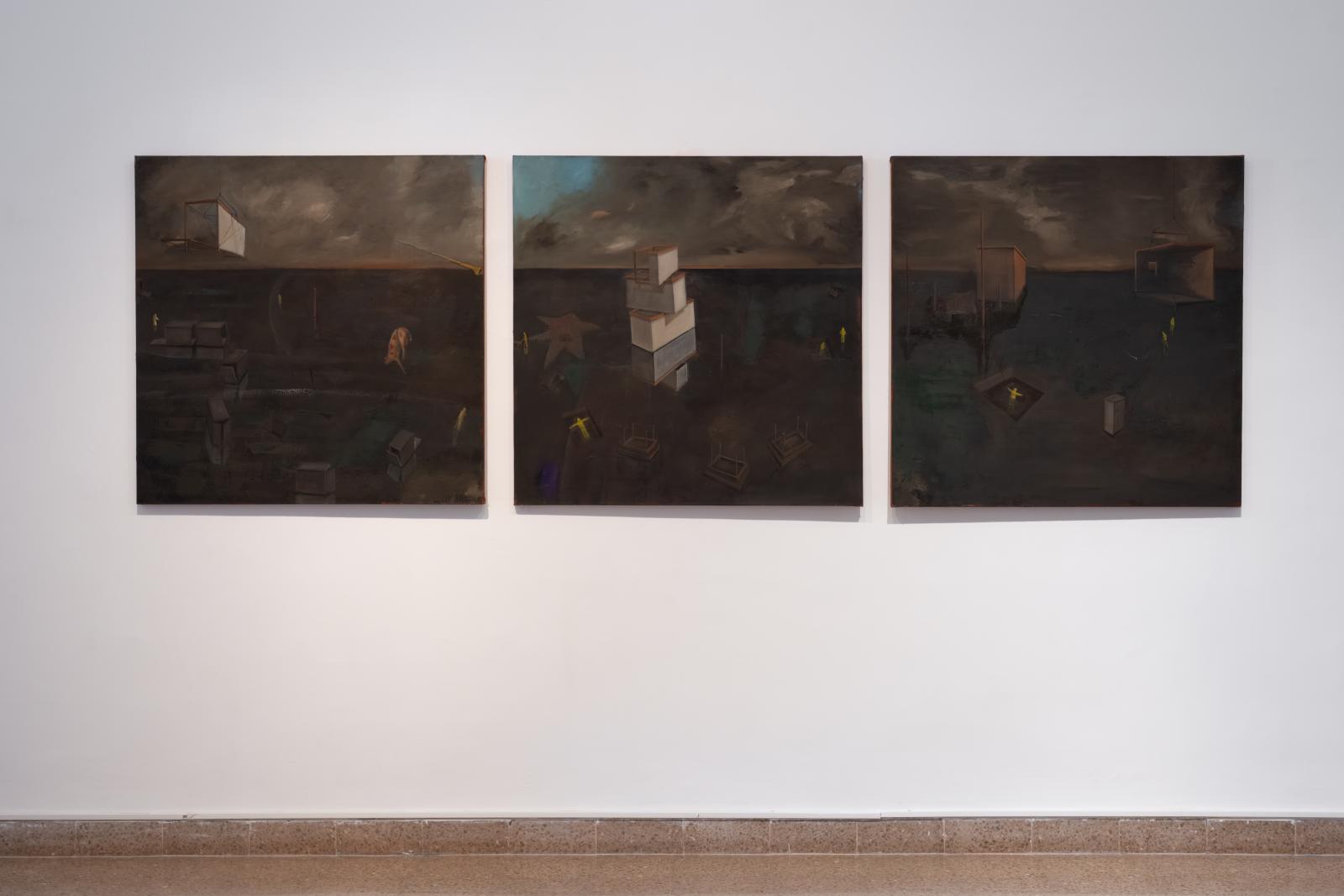
The Dread of Isaac, Ronen Siman-Tov, Installation view. Photo: Daniel Hanoch
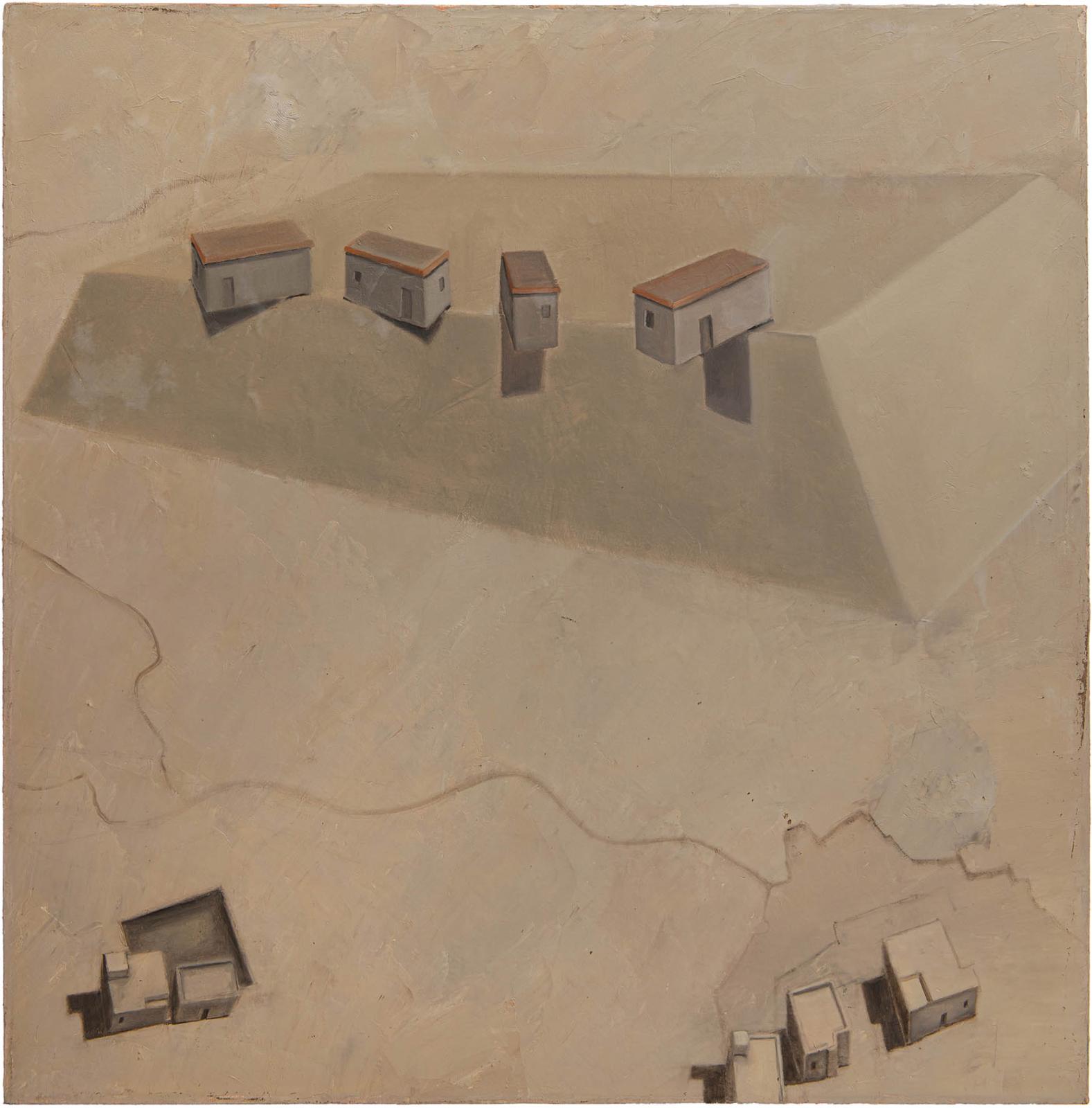
The Dread of Isaac, Ronen Siman Tov, Embankment, 2017, oil on canvas. Photo: Michael Amar
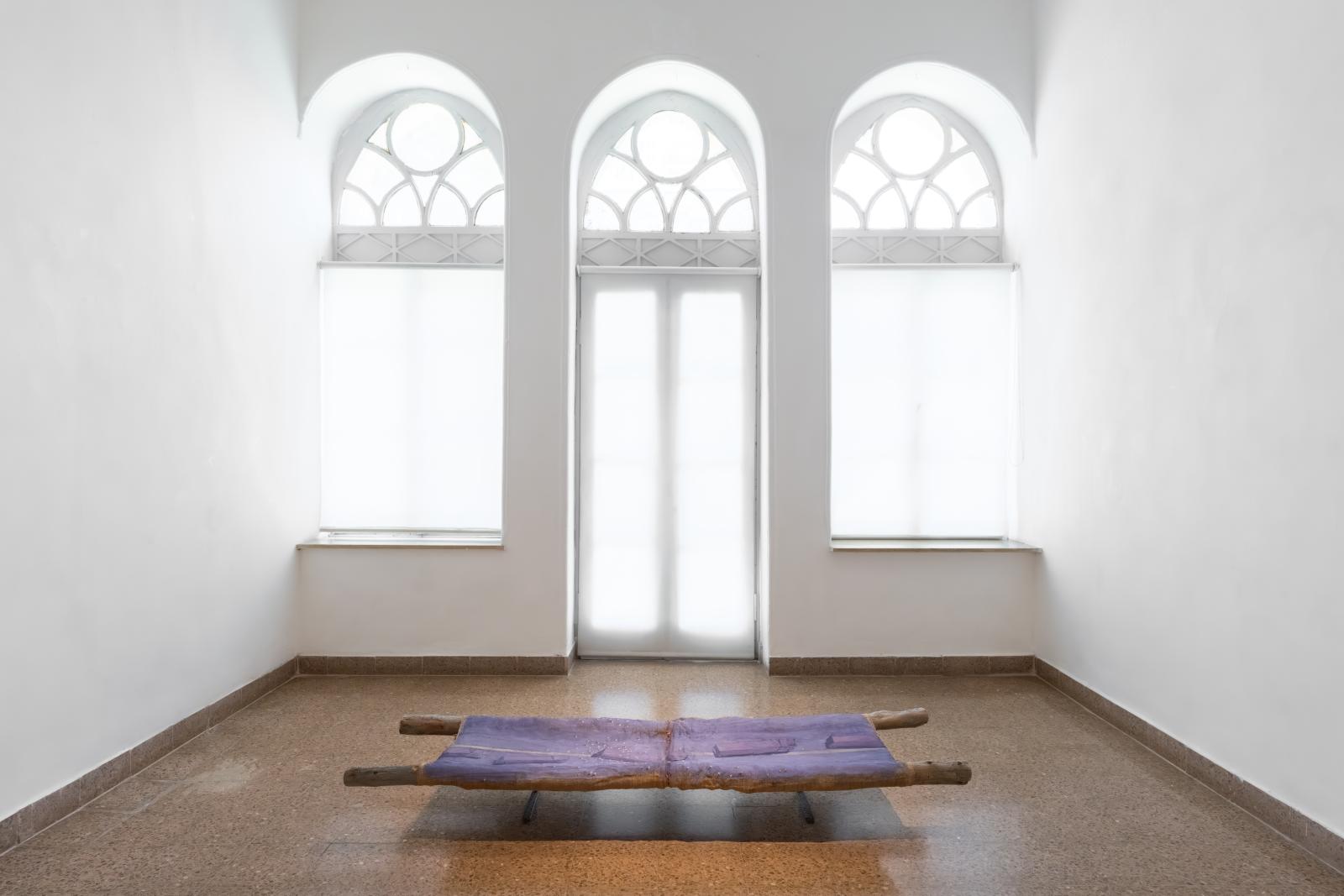
The Dread of Isaac, Ronen Siman-Tov, Installation view. Photo: Daniel Hanoch
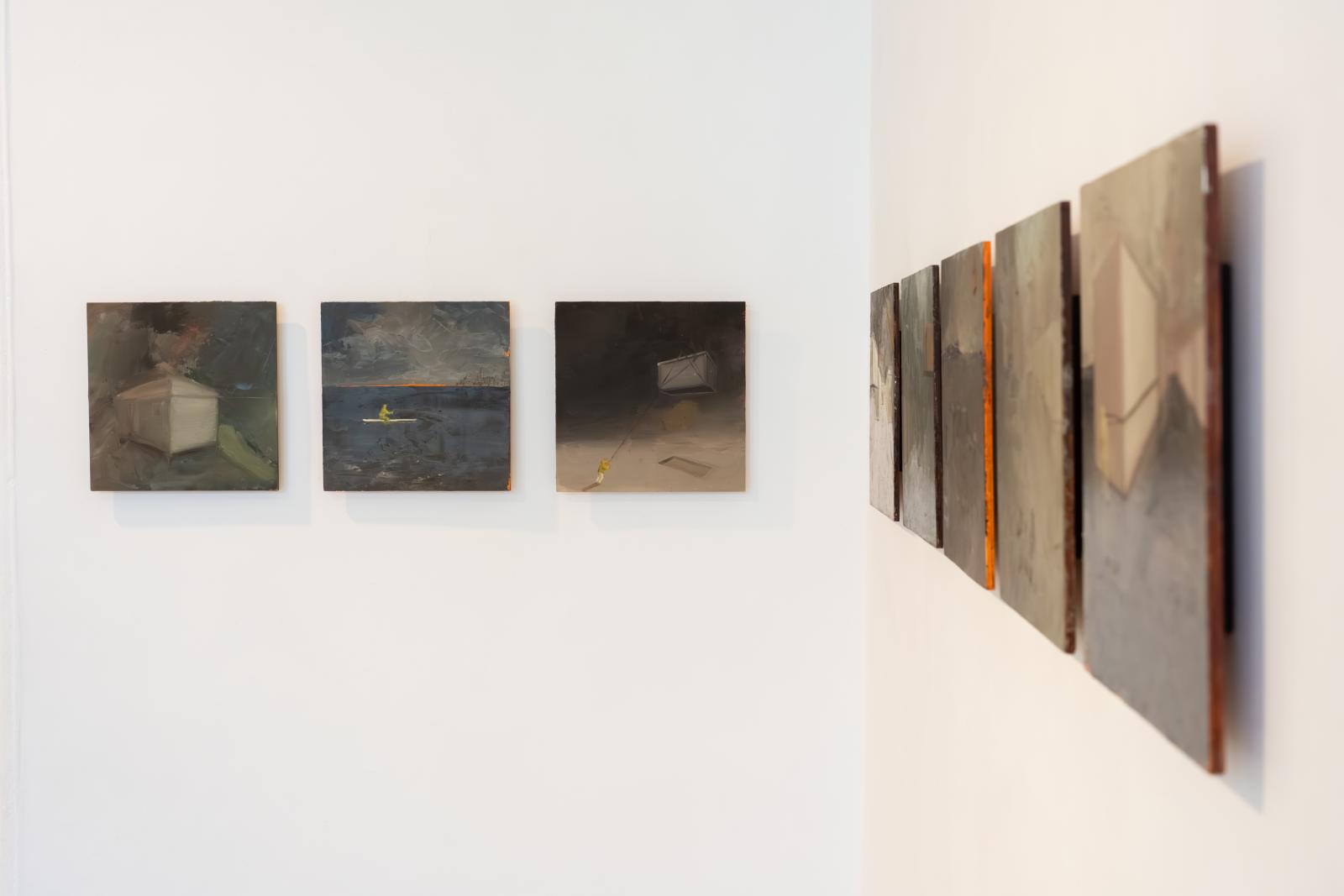
The Dread of Isaac, Ronen Siman-Tov, Installation view. Photo: Daniel Hanoch
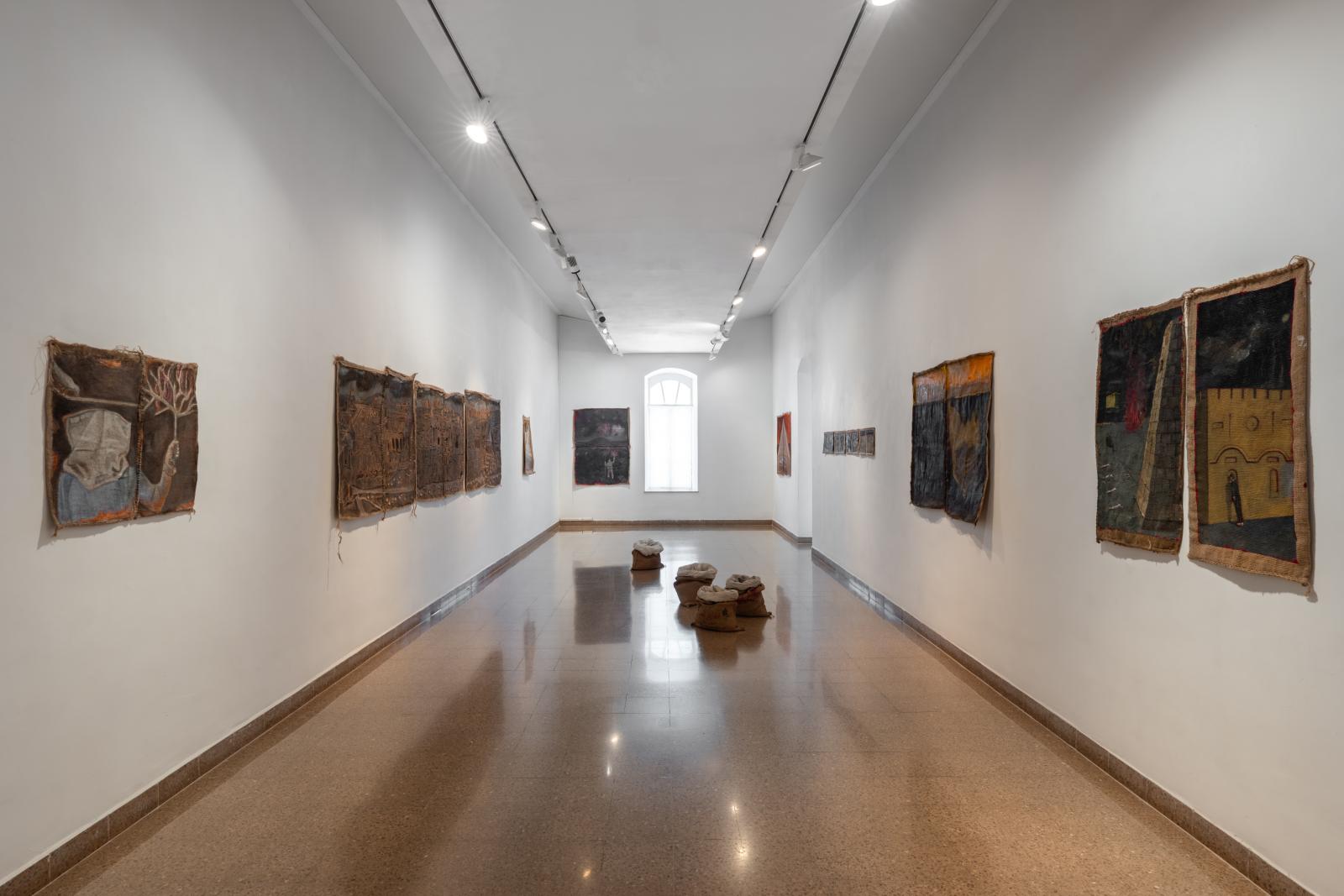
The Dread of Isaac, Ronen Siman-Tov, Installation view. Photo: Daniel Hanoch
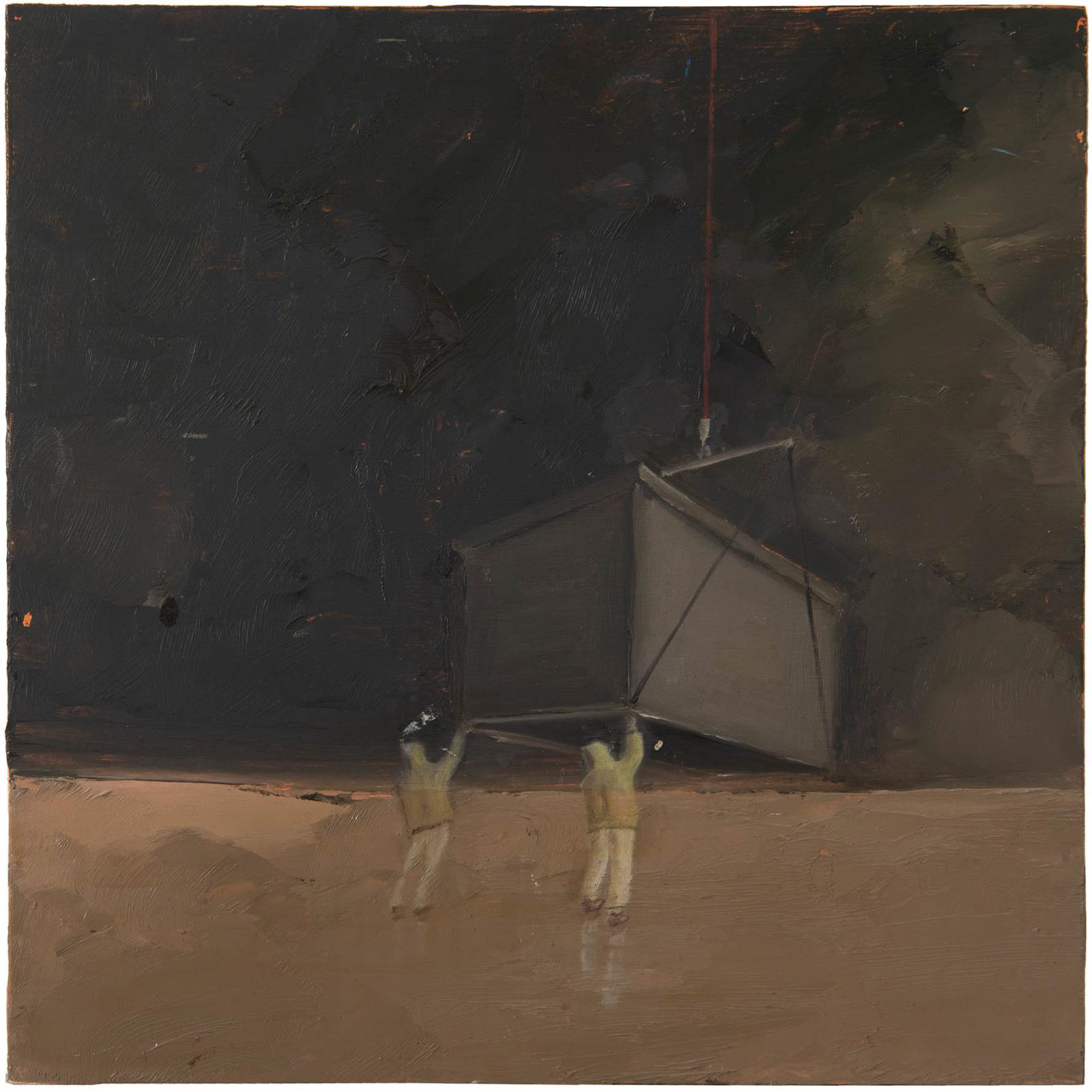
The Dread of Isaac, Ronen Siman Tov, Two Rescuers, 2018, oil on board. Photo: Michael Amar